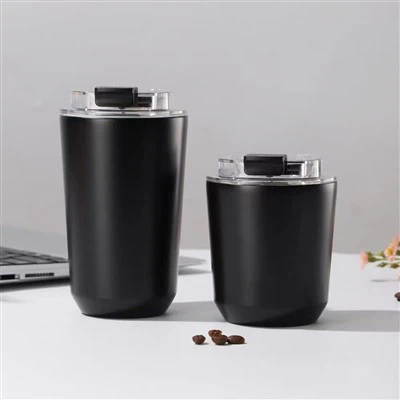
As a can cooler supplier, I often get asked a very interesting question: "Can I use a can cooler for hot drinks?" This is a query that delves into the functionality and versatility of can coolers, and it's worth exploring in detail.
Understanding the Basics of Can Coolers
Before we answer the main question, let's first understand what a can cooler is and how it works. Can coolers are designed to keep beverages cold for an extended period. They are typically made from insulating materials such as stainless - steel or neoprene. These materials have low thermal conductivity, which means they slow down the transfer of heat between the inside and the outside of the cooler.
Most can coolers on the market, like our 12 Oz Promotional Stainless Steel Cooler Unique Shape, 12oz Standard Stainless Steel Can Cooler Powder Coated, 3 in 1 Stainless Steel Insulated Can Cooler, Stainless Steel Can Cooler 12oz Unique Design, and Beverage Can Insulator for 12 Ounce Can, are optimized for cold drinks. They are engineered to prevent warm air from reaching the cold can, thereby maintaining the low temperature of the beverage.
The Science of Using Can Coolers for Hot Drinks
Can it Work?
The short answer is yes, you can use a can cooler for hot drinks. The principle of insulation works both ways. Just as a can cooler can keep cold drinks cold by preventing heat from entering, it can also keep hot drinks hot by preventing heat from escaping. The insulating materials that slow down the heat transfer from the outside to the inside of the cooler when it comes to cold drinks will also slow down the heat transfer from the inside to the outside for hot drinks.
Limitations
However, there are some limitations. Can coolers are primarily designed with cold beverages in mind. Most can coolers are not as effective at keeping hot drinks hot as they are at keeping cold drinks cold. This is because the temperature difference between a cold drink and the surrounding environment is usually smaller than the temperature difference between a hot drink and the environment. Heat always moves from a warmer area to a cooler area, and the larger the temperature difference, the faster the heat transfer. So, a hot drink will lose heat more quickly than a cold drink will gain heat, even when using an insulating can cooler.
Material Considerations
The material of the can cooler also plays a role. Stainless - steel can coolers generally offer better insulation than other materials like thin neoprene. Stainless - steel has a relatively low thermal conductivity and can resist the transfer of heat. But if the can cooler is made of a thin or less - effective insulating material, it may not retain the heat of a hot drink for a long time.
Practical Applications
Occasional Use
For occasional use, a can cooler can be a decent option to keep a hot drink warm. For example, if you're on a short outdoor trip and you want to keep your coffee or tea warm for a little while, slipping your hot beverage can into a can cooler can help. It won't keep the drink piping hot for hours, but it can buy you some time and maintain a reasonable temperature for 30 minutes to an hour.
Alternative Uses
Some can coolers with a more versatile design, like the 3 in 1 Stainless Steel Insulated Can Cooler, offer better performance for hot drinks. These multi - functional can coolers are often better insulated and can be a more reliable choice if you plan to use them for hot drinks regularly.
Safety Considerations
Pressure Build - Up
If you're using a can cooler for hot drinks, especially carbonated hot drinks, there's a risk of pressure build - up. Carbonated beverages release carbon dioxide gas, and when heated, the pressure inside the can can increase significantly. This could potentially lead to the can bursting if the pressure becomes too high. So, it's crucial to avoid using a can cooler for carbonated hot drinks.
Heat Resistance of Can Cooler
Another safety factor is the heat resistance of the can cooler material. Most can coolers can withstand the temperature of a normal hot beverage, but extremely hot drinks could potentially damage some materials, especially if they are not heat - resistant. Always make sure your can cooler is made of a material that can handle the temperature of the hot drink you're using it with.
Our Product Offerings for Different Needs
As a can cooler supplier, we understand that our customers have diverse needs. While our can coolers are excellent at keeping cold drinks cold, we also recognize the potential for using them with hot drinks in certain situations.
Our 12 Oz Promotional Stainless Steel Cooler Unique Shape is not only stylish but also provides a good level of insulation. The stainless - steel construction helps to maintain the temperature of both cold and hot drinks.
The 12oz Standard Stainless Steel Can Cooler Powder Coated is a reliable option for those who need a more basic yet effective can cooler. The powder - coated finish adds an extra layer of protection and style.
If you're looking for a more versatile option, the 3 in 1 Stainless Steel Insulated Can Cooler is a great choice. It combines multiple functions and offers enhanced insulation for both cold and hot beverages.
Our Stainless Steel Can Cooler 12oz Unique Design is perfect for those who want a can cooler that stands out while still providing good insulation properties.


And the Beverage Can Insulator for 12 Ounce Can is a cost - effective option that can serve the purpose of keeping both cold and hot drinks at a reasonable temperature.
Conclusion
In conclusion, while can coolers are mainly designed for cold drinks, they can be used for hot drinks with some limitations. They can help maintain the temperature of a hot drink for a certain period, but they may not be as effective as dedicated hot drink containers. However, for occasional use or on - the - go situations, a can cooler can be a handy tool.
If you're interested in our can cooler products for either cold or hot drink use, we invite you to contact us for procurement and further discussions. We are committed to providing high - quality can coolers that meet your specific requirements.
References
- "Thermal Insulation Materials: Properties and Applications" by X. Zhang and Y. Fang
- "Heat Transfer Basics" from a textbook on thermodynamics (author and publication year may vary)