Topnovo’s published coffee mug development case began with an existing plastic cup used as a reference for a new product. The account describes five to six design revisions and two sampling rounds before a 16oz / 450ml mug design was approved. This article separates that published record from practical lessons for a buyer planning a similar development process.
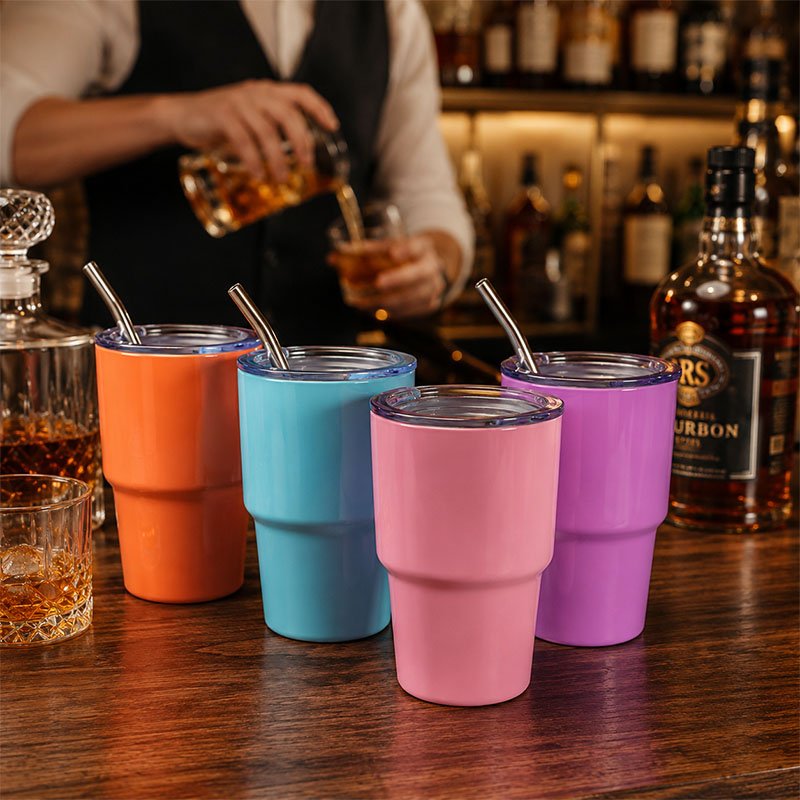
Image note: photographs in this article are general illustrations from Topnovo’s media library, not identified photographs of the customer’s project or its approved product.
What the published case establishes
The reference cup provided a starting point, not a finished manufacturing specification. The project moved through revisions and samples toward an approved design. Customer identity, commercial performance and confidential engineering details are not supplied here, and this review does not invent them.
The useful evidence is the development sequence. A reference can communicate an experience or visual direction, but the buyer still needs a defined product and an explicit approval decision. The number of revisions in this case should not be treated as a promised schedule for a different project.

Turn a reference into reviewable requirements
For a comparable project, annotate the reference: which proportions, handling characteristics and drinking experience are important? List what may change and what must remain recognizable. Separate those preferences from measured requirements for capacity, interfaces and packing.
Ask how the proposed construction differs from the reference. A change in material or manufacturing method may affect the feasible shape, component fit or finish. These are questions to resolve during development, not reasons to assume the new sample will behave exactly like the original reference.
Make each review close a defined question
A useful review record identifies the sample, drawing revision, findings and next action. Photographs can support comments, but measured requirements and physical references remain important. Ask reviewers to distinguish an appearance preference from a functional issue.
Close the final review by identifying the approved configuration and any remaining restrictions. Keep copies of the relevant artwork, components and packaging files together. The buyer’s objective is not to minimize the revision count at all costs; it is to reach an approval that production can actually follow.
Buyer checklist
- Record the purpose of the original reference.
- Separate visual preferences from measurable requirements.
- Link review comments to a specific sample and revision.
- Approve a defined configuration rather than a general impression.
Does this case mean every mug project needs two sample rounds?
No. Two rounds belong to this published project. Your review needs depend on the design, changes, evidence and unresolved requirements.
Published Topnovo project record: Read the original case account.
Discuss the requirements for your project
Review Topnovo’s related drinkware support, then send your product brief with the configuration, order quantity and evidence you need before approval.