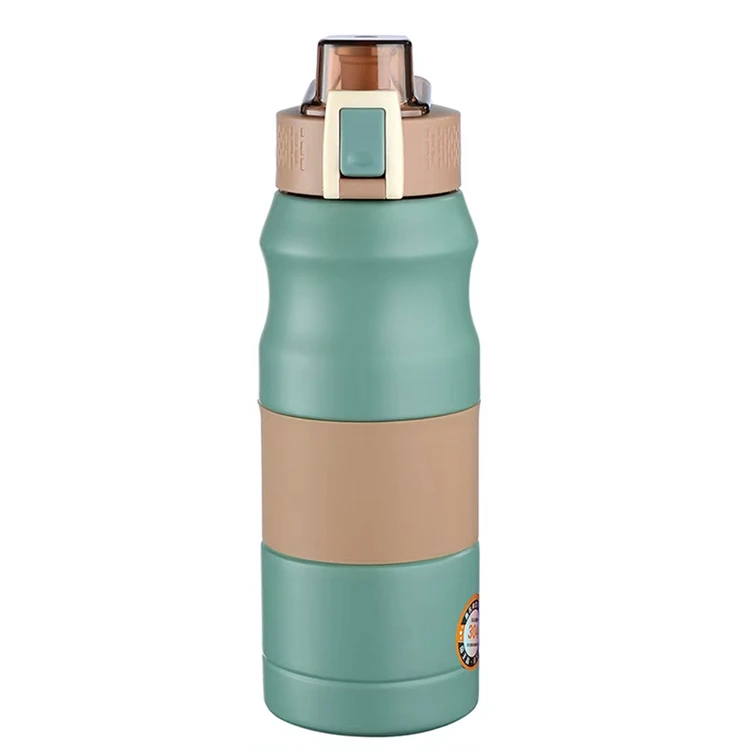
Drinking Mechanism
Choose direct sip, spout or straw use around the intended routine.
HOME / CUSTOMIZATION / LIDS
Choose direct sip, spout or straw use around the intended routine.

Identify the body mouth, mating lid and relevant seal arrangement.

State whether the product will stay upright or be transported in a bag.

Review removable parts and access to drinking channels on a sample.
A lid is more than a visual style. Spout access, straw length, closure operation, cover design and cleaning access all affect the product specification. Begin with the intended user and routine, then compare actual catalogue configurations. A similar diameter or appearance does not establish interchangeability. The linked complete products provide references for discussion; component availability and any alternative lid pairing must be confirmed for the selected model.
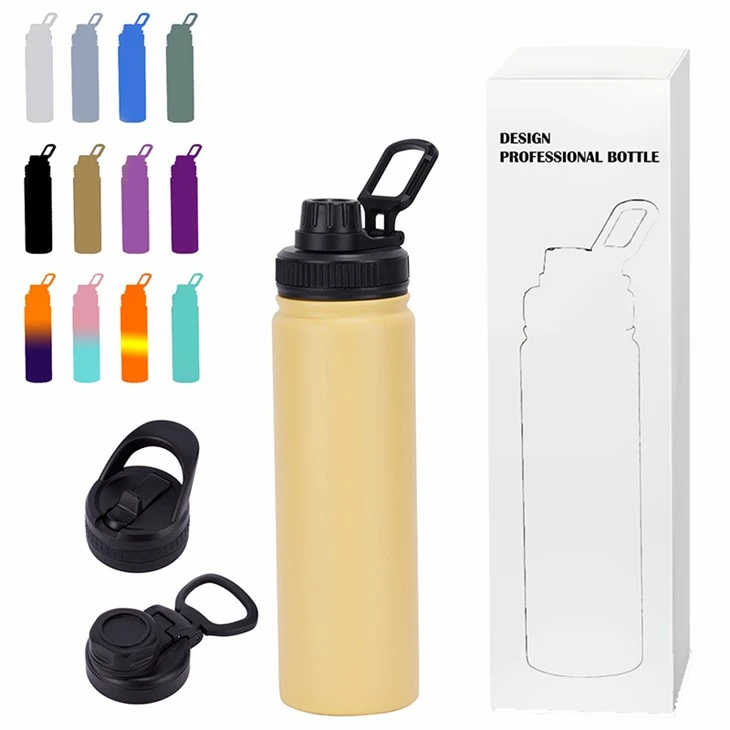

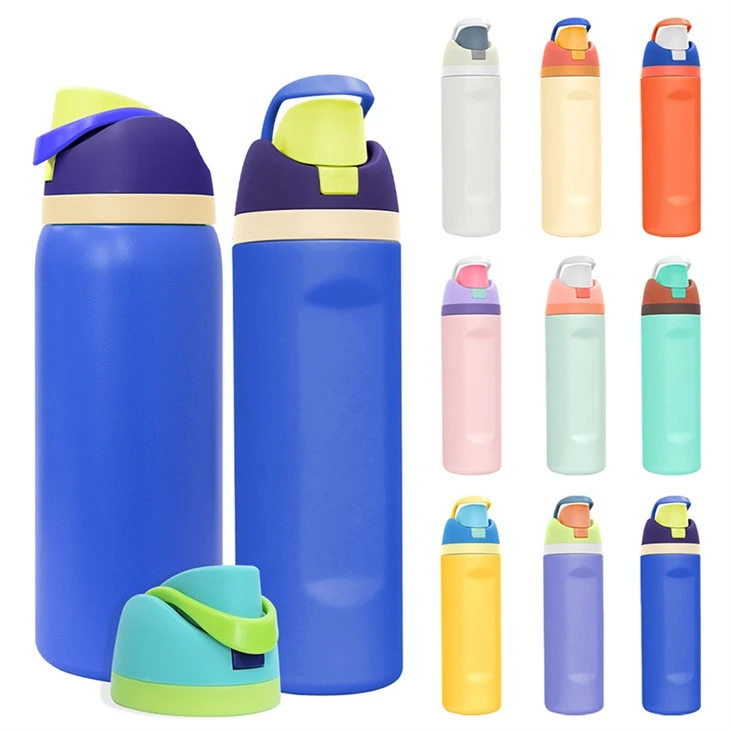
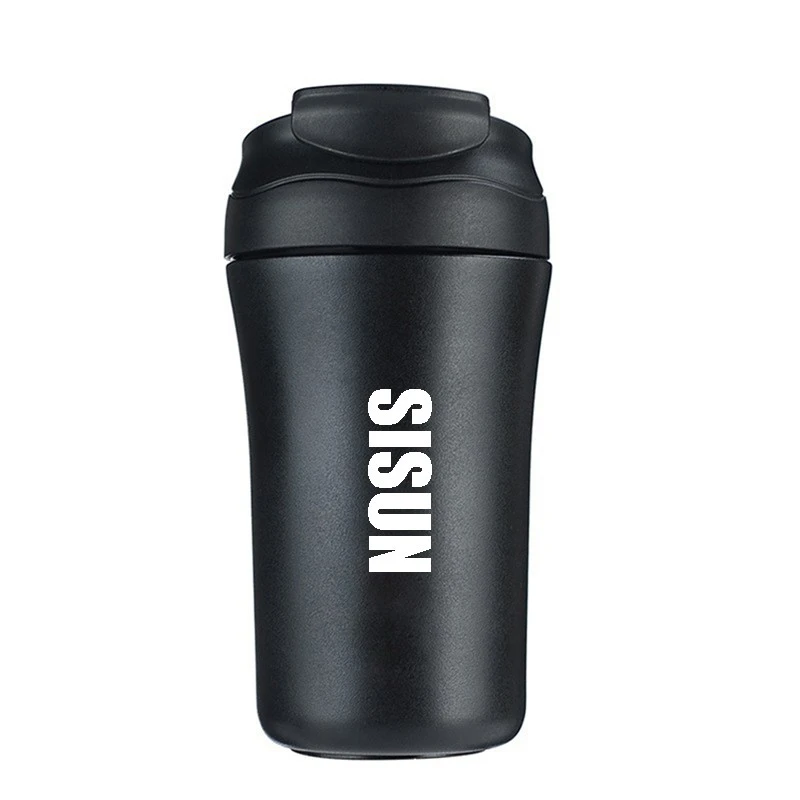
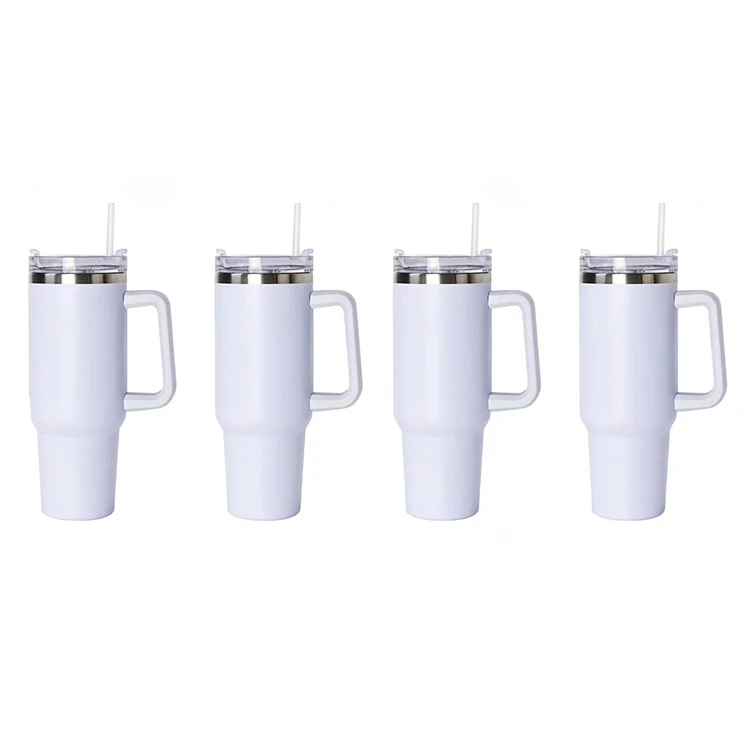
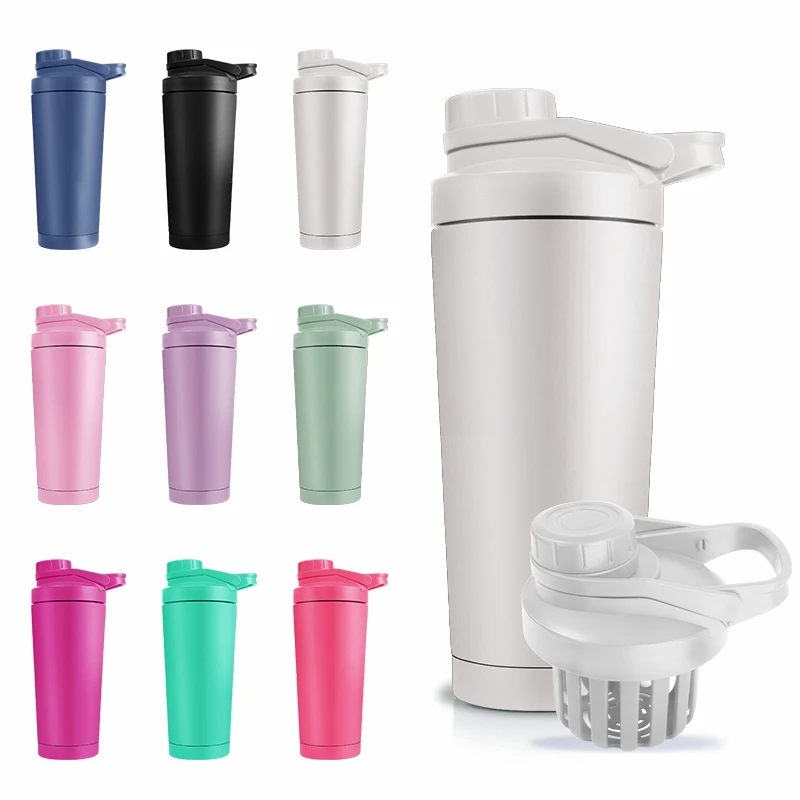
Provide the exact references for the proposed configuration.
State user group, liquid use, opening action and carrying conditions.
Review closure operation, included seals and cleaning access.
Record the matching parts and any required instructions.
Lid selection starts with the complete body-and-cap pairing. Review the intended drinking action, the conditions of transport and how the parts will be cleaned before choosing a colour or asking for a new structural function.
A screw closure, a drinking spout and a sipping opening provide different user experiences. Explain when the bottle must be closed for transport and how it will be opened for drinking. Review the full sample under the intended carrying conditions and agree any leakage check before using a transport-performance claim.
Review a Lid ConfigurationFor straw use, check the actual straw length, attachment and removable components supplied with the lid. For sip or sliding openings, review the opening action and access for cleaning. A lid with a drinking opening should be assessed as its own configuration rather than assumed to perform like a fully sealed cap.
Review a Lid ConfigurationMatch the bottle or cup body with the intended lid reference, then review the mating features, seal and component list. Similar nominal capacity or appearance does not establish compatibility. If the proposed function requires a new lid or changes to the existing body, request a separate structural and sample review.
Review a Lid ConfigurationTry opening, closing, drinking and cleaning with the complete sample. Record the approved parts and instructions, including any detachable covers or seals. For a replacement programme, confirm the exact part references and availability. For younger users, request a review for the intended age group instead of transferring adult-product information.
Review a Lid ConfigurationThe following are complete-product references showing different lid arrangements. Confirm the actual components, approved use and quoted configuration. A feature pictured on one bottle is not a promise that the same lid can be fitted to another cup without a review.
Record the exact body, lid and seal references. Dimensions and mating features matter more than a shared colour or capacity description when assessing whether parts belong together.
Review the opening mechanism, removable drinking parts and cleaning access on the sample. Keep the model-specific care instructions with the approved configuration for the intended user group.
State the transport conditions and agree the relevant sample check. If later replacement caps or seals are important, confirm the part identifiers and supply arrangements for this specific pairing.
Exact body and lid references; drinking mechanism; intended user and use; required components; any structural changes; sample checks; quantity; destination and arrival date.