
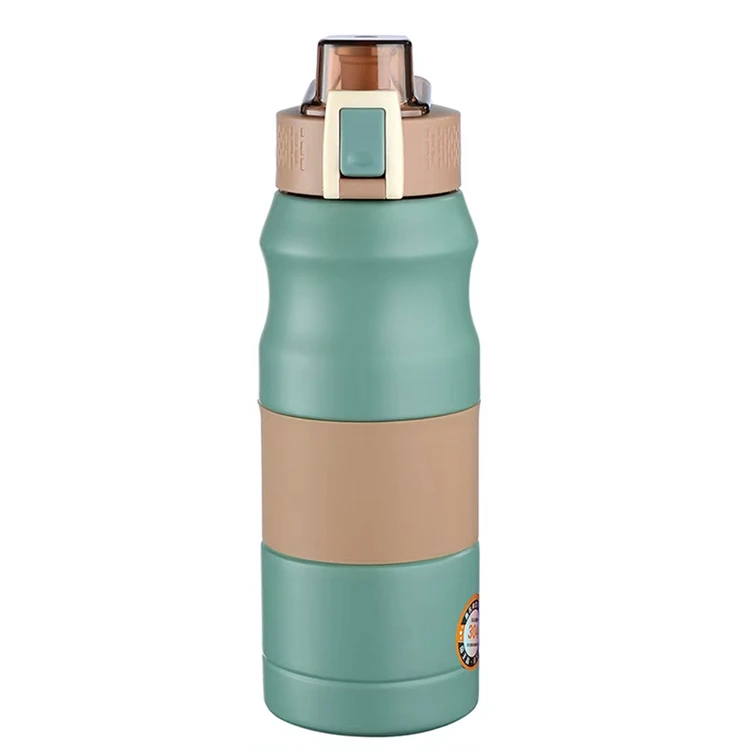
Outdoor equipment brands
Develop a bottle range around defined activities rather than a single outdoor label. Day trips, campsite use and commuting can call for different capacity, empty weight, grip and closure choices.
View Product OptionChoose outdoor drinkware around the trip, the carrying system and the way the bottle will be used. Topnovo’s single-wall and insulated water bottle listings provide options for outdoor merchandise, camping collections and club programmes. Compare capacity, empty weight, closure and cleaning access before deciding which model belongs in your range.
Start with the intended user and product role. The linked catalogue items are selection starting points; final configuration and suitability are confirmed through the sample and quotation.
Develop a bottle range around defined activities rather than a single outdoor label. Day trips, campsite use and commuting can call for different capacity, empty weight, grip and closure choices.
View Product Option
Compare insulated bottles with simpler single-wall formats for your customer mix. Check shelf dimensions, care instructions and individual packaging so each SKU is easy to explain and handle in a retail setting.
View Product Option
Plan branded bottles for hiking groups, fishing communities or visitor merchandise. State whether the item is everyday equipment, a participant gift or retail stock, and align the sample checks with that purpose.
View Product Option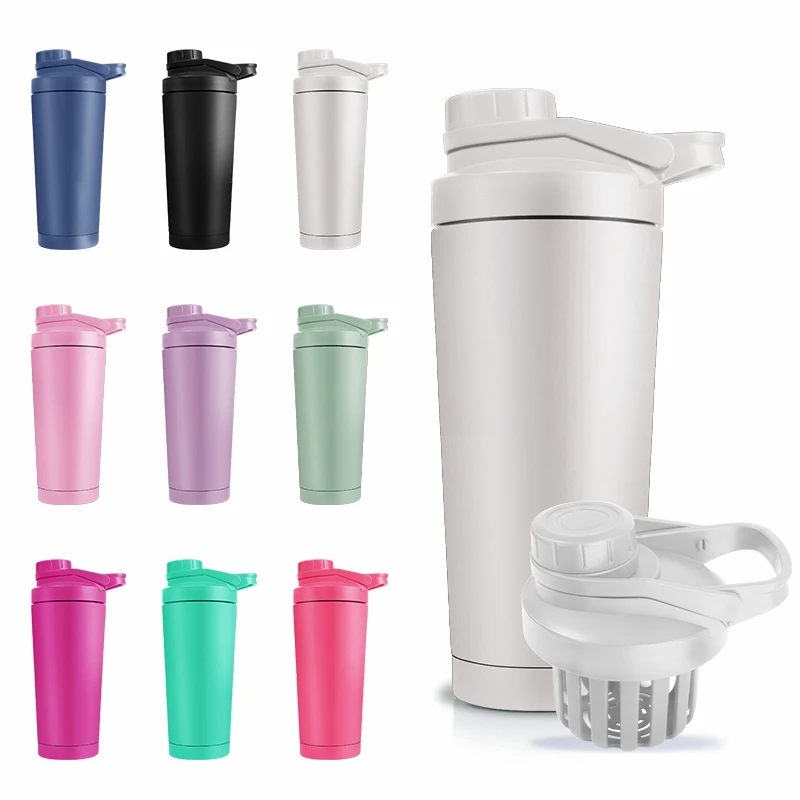
Custom Drinkware for Gyms & Wellness Studios. Compare another buying use case when your brief covers more than one audience or product role.
View Related SolutionUse these four stages to record the selected product, resolve configuration questions and agree what will be supplied.
Describe the activity, intended liquid, carrying method, destination and expected quantity. If pack-pocket or vehicle-holder fit matters, provide the available dimensions. Ask for the exact empty weight and size of shortlisted models.
Review single-wall and insulated samples as different constructions. Check filling, grip, drinking and closure with the intended setup. Do not infer a thermal performance duration or pressure rating from the product’s appearance.
Agree which checks matter for the programme, such as closure operation, leakage under defined conditions, coating appearance and cleaning access. Document any performance claim that will appear on the retail package.
Confirm artwork, model configuration, carton protection and the production schedule. Keep a reference sample and component details for later colour launches or replacement-parts enquiries.
Build the specification around the real use case. Product names and photographs help shortlist options; the approved sample and written configuration define the order.
Confirm these details for the chosen model. Minimum quantities, available methods and delivery timing are agreed for the final configuration.

Select a confirmed single-wall or insulated configuration for the intended outdoor use.

Compare model-specific volume, empty weight, diameter and full height against the carrying setup.

Review available closures, handles and compatible carrying accessories on the complete sample.

Approve the colour, logo method and decoration position on the chosen surface.

Define supported liquid-use conditions, cleaning guidance and the basis for any performance claim.

Plan protective individual or bulk packaging with clear model and colour identification.
Practical checks for your procurement team before production approval.
Try the full bottle in the intended pack pocket, holder or carrying accessory.
Carry checkProcurement checklistApprove a clear test method and result for the way the bottle will be transported.
Closure checkProcurement checklistMatch every printed thermal or durability claim to information for the approved configuration.
Claim reviewProcurement checklist

Answers to help define a clear enquiry. Model-specific details are confirmed before sample and order approval.
Choose by the intended use. A single-wall format and an insulated format differ in construction, weight and temperature behaviour. Compare the selected models using actual dimensions, empty weights and sample results rather than assuming that one format is always best.
A specific duration requires results for the exact bottle, lid and test conditions. Ask for the relevant information and agree the conditions behind any claim before using it in your catalogue or packaging. No single duration applies to the whole range.
That needs confirmation for the particular closure and carrying conditions. Tell us whether the bottle will be upright, laid down or carried with other equipment. Check the complete sample and agree the closure test before approving a transport claim.
Do not assume direct-heat suitability. Coatings, lids and insulated constructions have use limits, and a standard drinking bottle is not a cooking vessel. Ask for the approved use instructions for the exact model.
Only if the selected configuration is explicitly approved for that use. Ordinary water bottle descriptions do not establish pressure-handling suitability. Confirm beverage compatibility and care instructions before including carbonated-drink language in your product information.
Send the activity, expected liquid use, model or capacity range, quantity, artwork, carrying-fit requirements and destination. Include any tests or market documentation you require and your desired arrival date so the complete project can be reviewed.