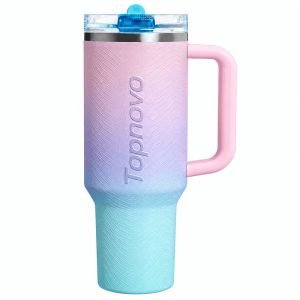
Colour Target
Describe the solid colour, transition or combination you want across the range.
HOME / CUSTOMIZATION / FINISHES
Describe the solid colour, transition or combination you want across the range.

Separate matte, gloss, brushed and textured appearance requirements.

List body, lid and handle colours rather than treating the whole product as one surface.

Use an agreed finished sample to define appearance for later production.
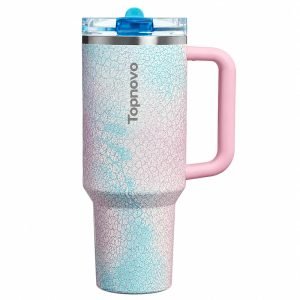
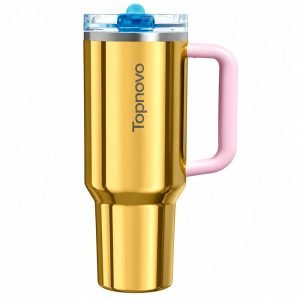
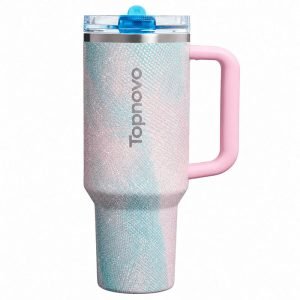
A colour effect, a surface texture and a coating process describe different parts of the specification. A pastel gradient is an appearance target; powder coating or spray painting describes a possible production route. Brushed and mirror looks also need their own sample references. Use photographs to explain the result you want, then agree the actual method, substrate and approval criteria. A screen image or catalogue caption alone is not a production colour standard.
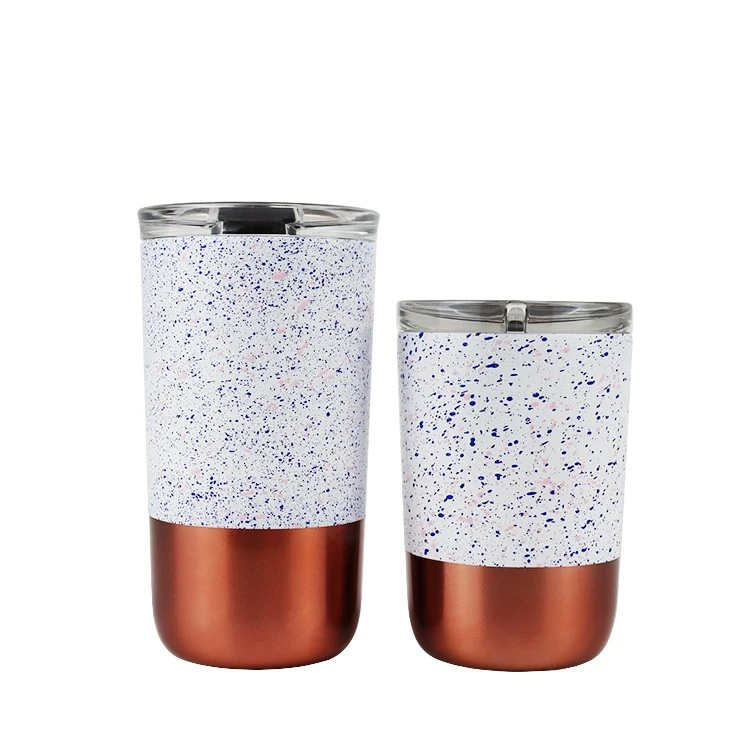
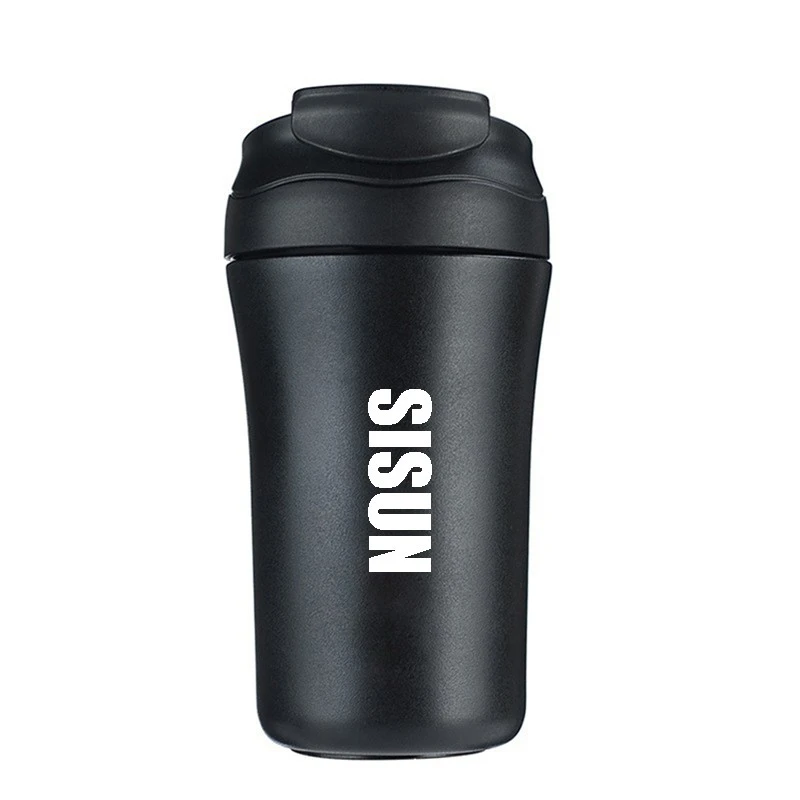
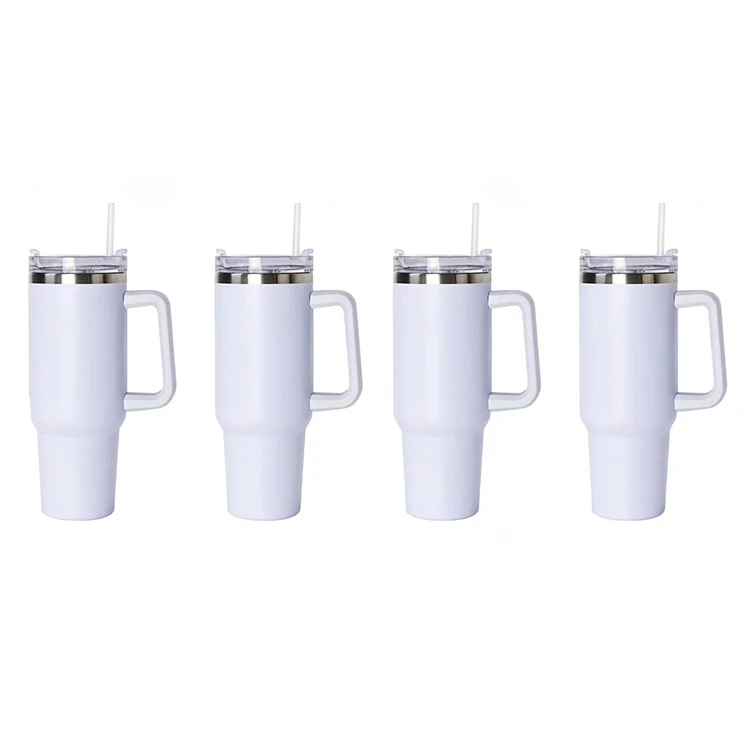
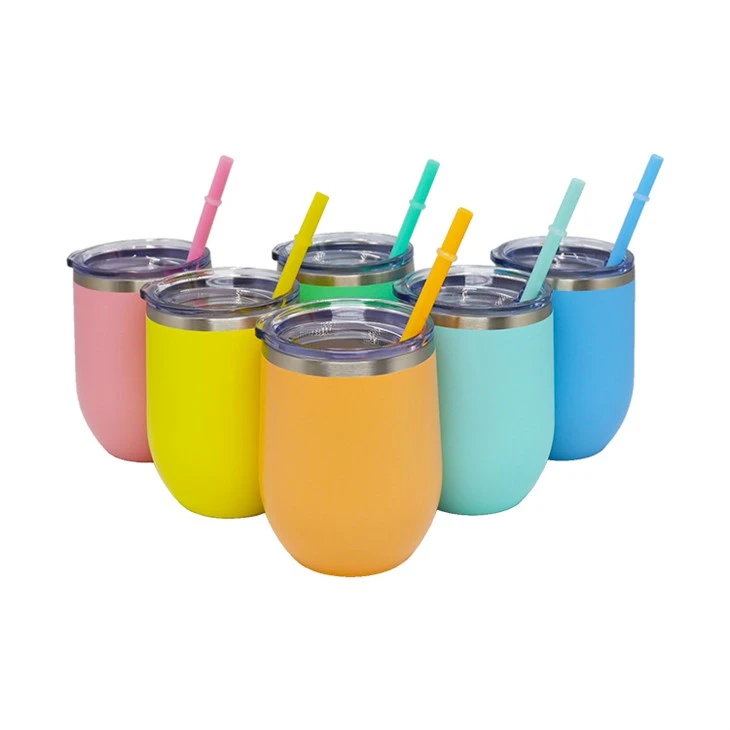
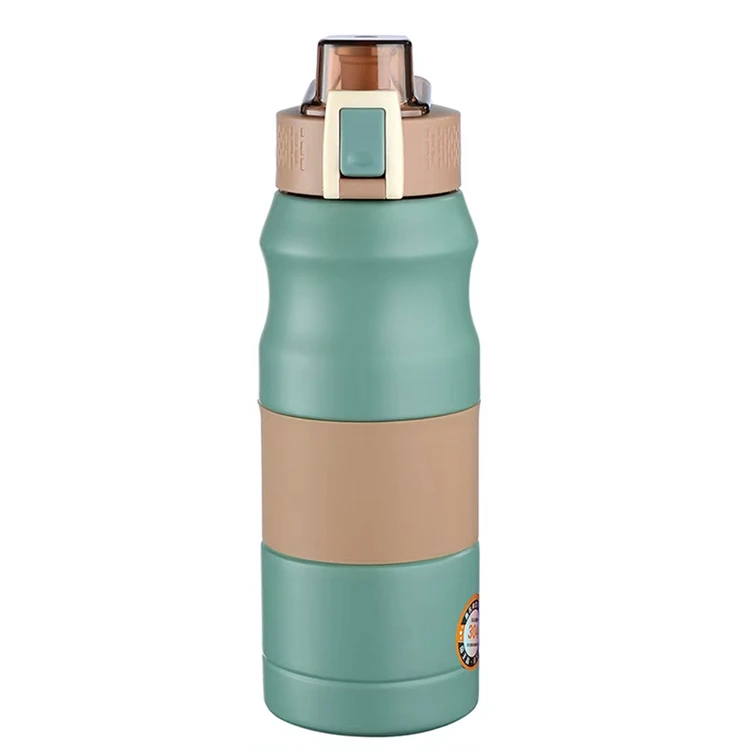
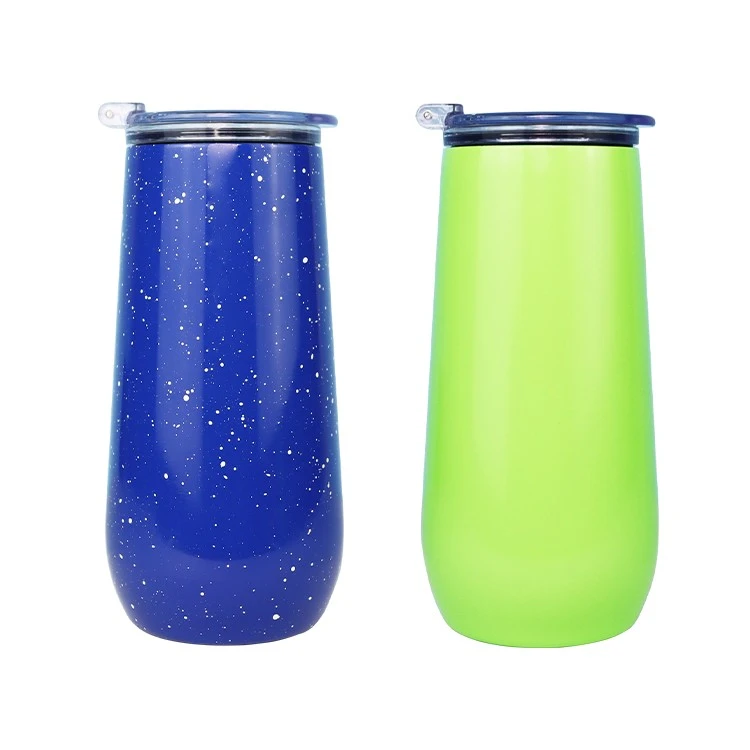
Specify colour, sheen, texture and the product areas involved.
Confirm the proposed coating or finishing method and material.
Review appearance on the actual body and component combination.
Keep the finish reference, colour allocation and inspection requirements.
Finish selection combines the visual target with a model-specific production route. Review solid colours, gradients, metallic appearances and textures separately so the sample can answer the questions that matter to your collection.

A colour reference describes the target hue, while matte or gloss describes the intended sheen. Provide both, together with the material and product area to finish. Ask which coating route is proposed and review the actual sample. A coloured body photograph does not establish that the same appearance can be reproduced on every lid or handle.
Discuss Your Finish Reference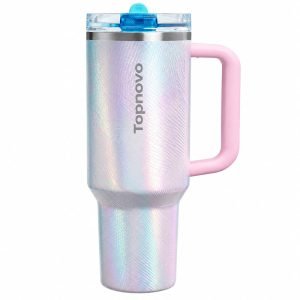
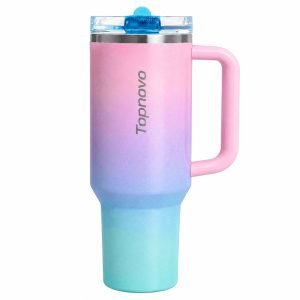
For a gradient, identify the colours, transition direction and approximate coverage of each area. For a two-tone or colour-block design, identify the intended boundaries. Review the design around the full body, including the base and handle side, rather than approving only a single front-facing image.
Discuss Your Finish Reference
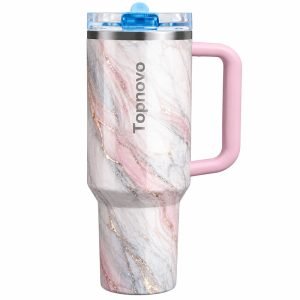
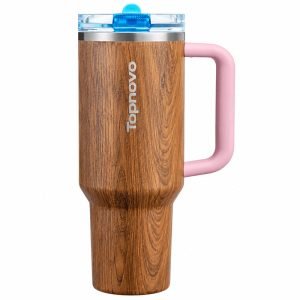
Brushed grain, mirror-like reflections, pearlescent effects and stone or crackle textures create different visual results. Send a physical or clear photographic reference and confirm the actual process being quoted. A marble or wood-grain appearance does not identify its transfer method, and PVD should not be treated as another name for electroplating.
Discuss Your Finish Reference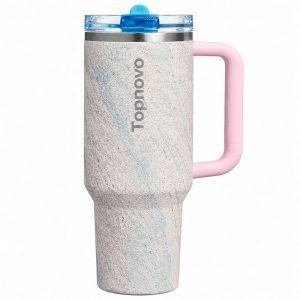
Review the finished body with its lid, handle and planned logo. Record the approved reference and agree the appearance checks appropriate to the project. Protect the decorated surface in the unit pack. A change of substrate, body geometry or component material can require a fresh review even when the colour reference stays the same.
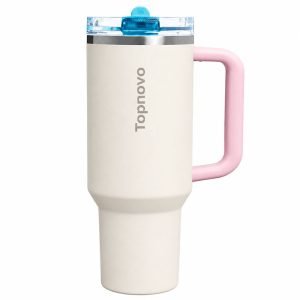
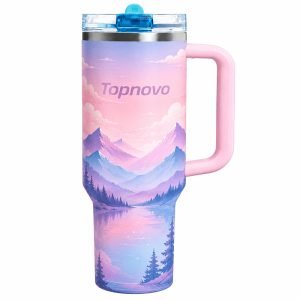
Discuss Your Finish ReferenceThese images help communicate appearance. Confirm the production route for the selected body: a marble or wood-grain look does not by itself identify a transfer method, and a soft-looking surface does not establish its material or washing limits. Ask for sample confirmation before using finish, durability or care claims in retail information.
Keep the physical sample or agreed colour reference together with the intended matte or gloss appearance. A screen colour should support the brief rather than serve as the only production approval.
Record which surfaces receive each finish and how lid, body and handle colours are combined. Separately identify any uncoated, reflective or decorated areas that affect the final appearance.
Agree the relevant appearance and care review for the selected finish. Check how unit packing protects the surface, and retain the reference sample for future colourways and replenishment orders.
Product and component references; desired appearance; colour or physical references; artwork; quantities by colour; care and inspection requirements; packaging and destination.