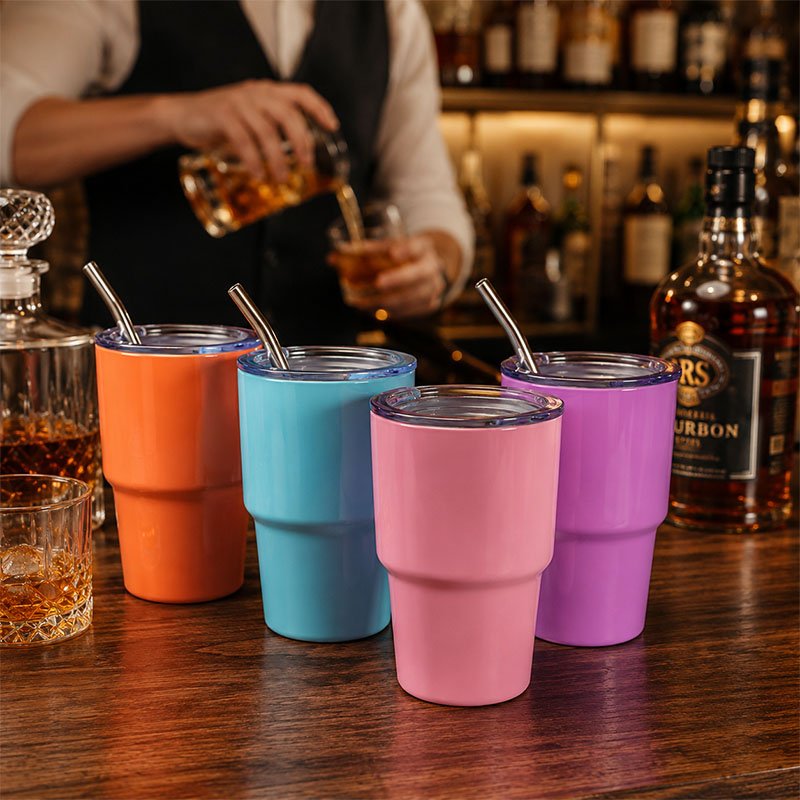
If you see suspected mold or residue in a reusable water bottle, empty it and check the manufacturer’s care instructions. Wash the bottle and each removable part with dish soap and warm water if the model permits, rinse thoroughly and air-dry the parts separately before reassembly. Replace parts that remain visibly contaminated or cannot be cleaned as directed.
Check the parts hidden by the lid
Look under the cap, around the threads, inside the spout and in the channel that holds the sealing ring. A straw or valve can collect residue even when the bottle body looks clean. Inspect any gasket the manufacturer identifies as removable, and keep its orientation in mind so it can be reinstalled correctly.
A dark mark can have more than one cause. Appearance alone cannot identify mold or bacteria. Use the condition of the part, its cleanability and the manufacturer’s instructions to decide whether it can be returned to use.
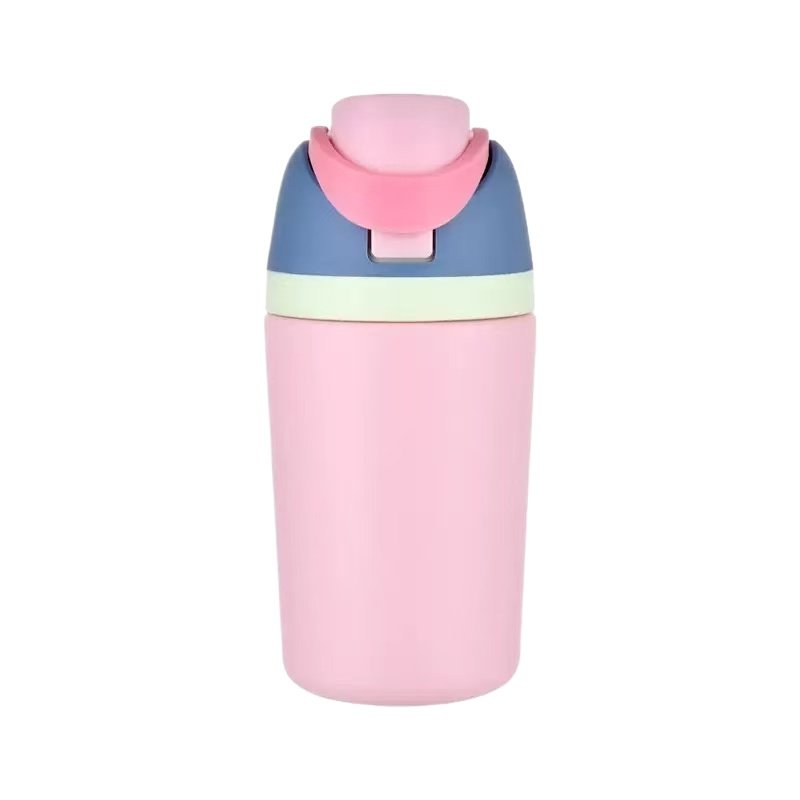
Wash, rinse and dry each component
- Empty the bottle and separate the lid, straw and seals the maker says can be removed.
- Wash accessible surfaces with dish soap and warm water. Use a soft bottle brush or straw brush sized for the part.
- Rinse away soap and loosened residue, including from threads and gasket channels.
- Leave the bottle open and the parts separated until completely dry. Refit the gasket in its intended orientation and confirm the lid closes properly.
Use a dishwasher only for components listed as dishwasher safe. Follow the bottle maker’s instructions for any additional cleaning method. Never mix cleaning products.
Decide whether a gasket or the bottle needs replacing
A worn, split or misshapen gasket can be difficult to clean and may no longer seal properly. Check whether the maker sells a replacement for the exact model and lid revision. Do not pry apart a permanent valve or use a sharp tool on a sealing surface.
If residue or an unusual smell persists after the recommended cleaning, stop using the affected part and check replacement options. If the affected area cannot be accessed or the bottle is damaged, replacing the lid or bottle may be the practical choice.
Build cleaning into the product routine
Wash the bottle after use and let it dry before closed storage. For buyers reviewing a new sample, try taking apart the approved removable components, cleaning the straw and reassembling the lid. Record the compatible cleaning method and include it with the product.
The water bottle lid guide explains how opening design, cleaning access and removable parts affect a buying brief.