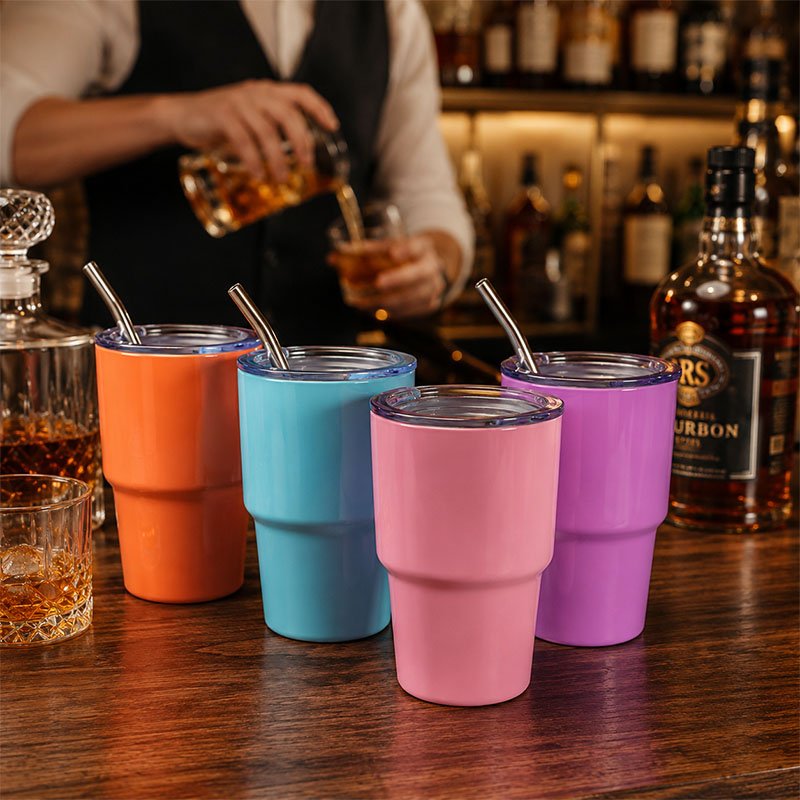
A water bottle size guide for brands should compare capacity and fit together. Start with the amount the customer should be able to carry, then check the overall height, base profile, lid clearance and filled handling on the assembled sample. Two bottles with the same capacity can fit very differently in a bag or holder.
Compare common water bottle capacity tiers
Use these sizes as starting points for a range. The applications are examples for product planning. The metric column is rounded from US fluid ounces.
| Capacity | Approximate volume | Sample question |
|---|---|---|
| 12 US fl oz | 355 mL | Does a compact design still offer an easy grip and enough room for the lid? |
| 16 US fl oz | 473 mL | Will it fit the intended bag or desk space? |
| 20 US fl oz | 591 mL | Is the filled bottle comfortable to carry? |
| 24 US fl oz | 710 mL | Does the height leave clearance for opening and cleaning? |
| 32 US fl oz | 946 mL | Can the user grip and carry it comfortably when full? |
| 40 US fl oz | 1,183 mL | Do the handle and base clear the intended holder? |
Agree on usable fill before approving the label
Ask whether the quoted capacity describes the body filled to the rim or an agreed working fill level. A lid or an insert can occupy some of that space. Record the test configuration, measurement method and acceptance tolerance on the sample approval sheet.
Choose a lead unit for the specification and apply consistent rounding on retail and product pages. A nominal one-liter bottle is about 33.81 US fl oz. If your brief says 32 US fl oz and one liter, resolve the difference before finalizing the artwork. The pint conversion guide gives more examples of US and imperial units.
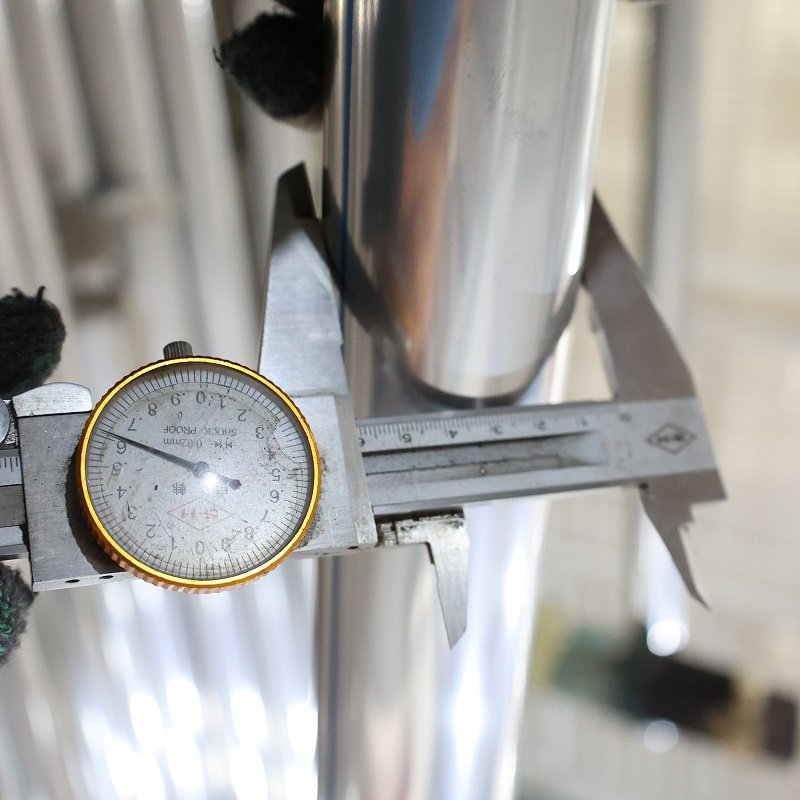
Measure the complete bottle, including accessories
Measure height with the cap installed and consider the clearance required to open it. Record the largest body diameter and the diameter where the holder actually touches. Include any sleeve, bumper, carry loop or handle that ships with the product. Use the finished sample in the intended pocket, holder or shelf space before making a fit claim.
For a product family, try a compact size, a core everyday size and a larger option against the same use scenario. Record empty and filled handling, cleaning access and packed carton fit before deciding which variants are worth carrying.
What should a capacity brief include?
Write down the target fill in mL or US fl oz, the permitted tolerance, assembled dimensions, cap and accessory configuration, measurement procedure and label wording. Send those details together when requesting a custom water bottle sample.