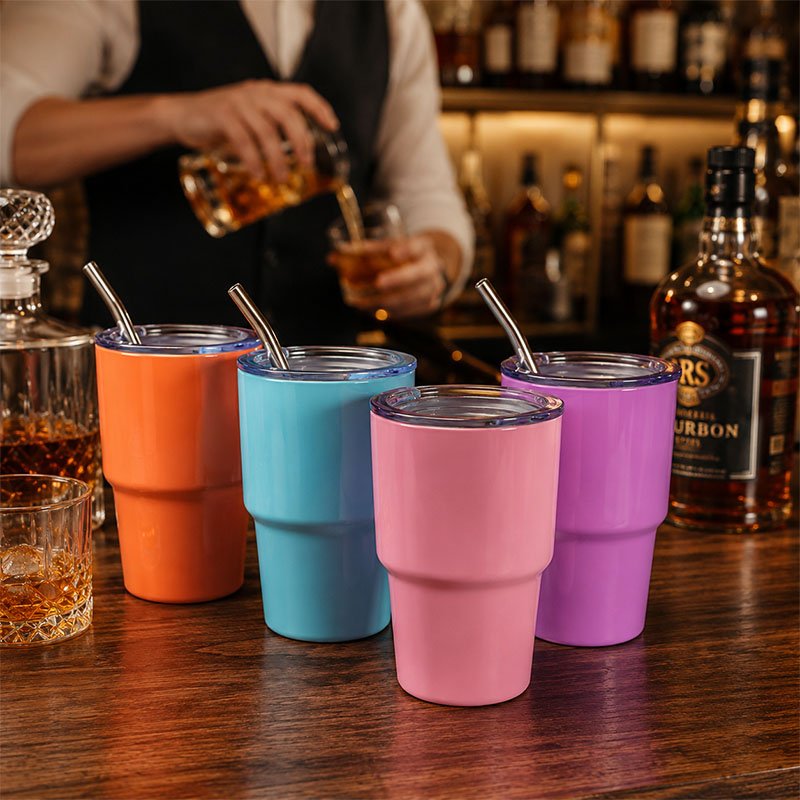
The plastic bottle manufacturing process begins with material and design selection. The body is commonly formed by a blow molding process, then checked and assembled with its closure. The route depends on the resin, bottle geometry and performance requirements. Caps and other separate components may use different tooling and processes.
Select the resin and molding route
In extrusion blow molding, a softened tube of plastic called a parison is enclosed in a mold and expanded against its walls. In injection stretch blow molding, an injection-molded preform is heated or conditioned, stretched and blown into the bottle shape. The neck of the preform establishes the finish the closure will fit.
Injection blow molding also begins with a preform, followed by blowing into a mold. Use the specific material supplier’s processing guidance and the factory’s approved design to decide which route fits. Similar-looking bottles can use different materials, tools and acceptance criteria.
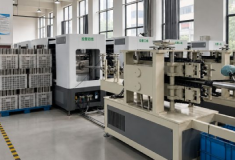
Move from mold trial to the assembled sample
- Confirm the resin grade, color, intended use and component drawings.
- Produce trial bodies and review wall distribution, neck dimensions and appearance. Trim flash where the selected route requires it.
- Fit the intended closure, seal and accessories. Check the assembly against the drawing and agreed operating conditions.
- Approve decoration and care instructions on the assembled product. Record the sample and component revisions.
Review the complete sample before relying on a body-only trial. Changes to the cap, gasket or neck finish can affect assembly and closure behavior even when the body looks the same.
Define measurable quality checks
Agree on capacity, dimensional tolerances and the measurement points. Check the neck interface on the bottle that will be shipped. Define the required leak or closure tests for the proposed use, including sample condition and acceptance criteria. A resin datasheet alone does not establish the performance of the assembled bottle.
Ask for traceability for the components and the relevant food-contact documentation for the intended market and conditions. Review the surface, packed accessories and package protection before release. If a material, mold or component changes, assess which sample checks need to be repeated.
What should a brand send to the manufacturer?
Share the intended beverage and temperature, target capacity, neck or lid requirements, artwork, cleaning conditions, order quantities and packing needs. Use the plastic bottle customization page to discuss the material and process for the proposed design.