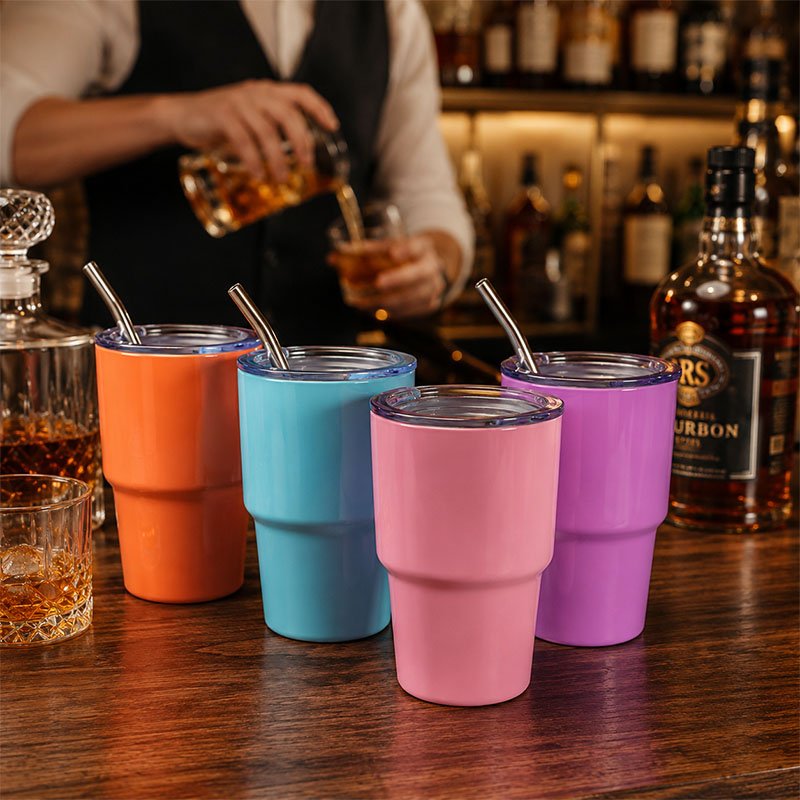
For a stainless steel cup, suitability depends on the finished product and how it is used. Check which surfaces contact the drink, whether the manufacturer supports the intended beverage and temperature, and whether the lining and other components are in good condition. A steel grade on the label describes one part of the specification.
Identify everything that touches the beverage
Look beyond the outer shell. The inner wall, rim, lid, straw, seal and any inner coating may all contact the drink. The exterior finish and inner surface can use different materials. Ask the supplier to identify these components for the specific model, including any coatings or decorative materials in the contact area.
Grades such as 304 and 316 are alloy designations. They help describe the steel being supplied, while the product evaluation also needs the other contact materials and the intended conditions. See the 304 vs 316 drinkware specification guide for the component-level comparison.
Match the documentation to real use
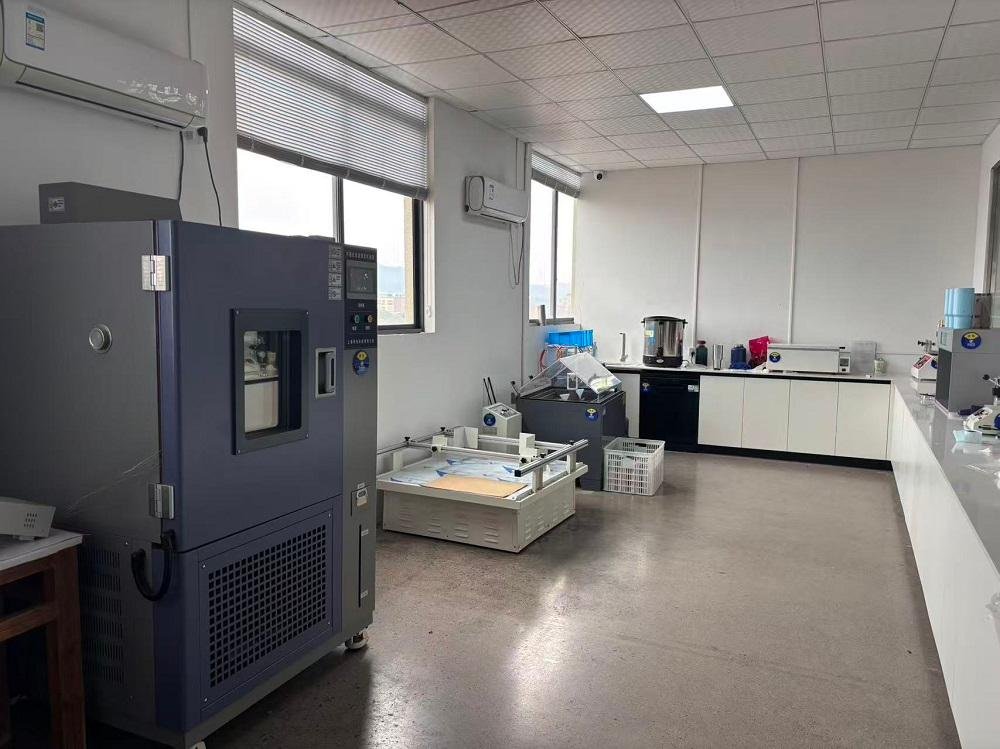
Ask whether the cup is intended for hot drinks, cold drinks or both, and check any beverage or cleaning restrictions. FDA food-contact guidance distinguishes the type of food and conditions of use. Where testing or other documentation applies, confirm that it identifies the relevant model, contact parts and use conditions.
For a new order, make sure the information corresponds to the actual assembly, including the lid and gasket. If a coating or a contact material changes, ask which documents and checks need updating before the revised model is sold. A report for a different model or finish is not enough to establish the suitability of the proposed one.
Inspect and maintain the cup in service
Follow the maker’s washing instructions and check the inside of the cup, rim and closure regularly. If the lining is peeling, the contact surface is deeply damaged, or an unexplained residue persists, stop using the affected cup until the manufacturer can advise on its condition or replacement.
If a specific material matters to you, ask the manufacturer for its identification and applicable information for the exact product. A magnet, a visual inspection or a label claiming a premium grade cannot provide the same information as a documented specification.
What should buyers request before approving a sample?
Obtain the component list for the drinking surfaces, the intended beverage and temperature range, the applicable product documentation, and the approved care instructions. Compare those records with the physical sample and the agreed inspection requirements before approving the order.