
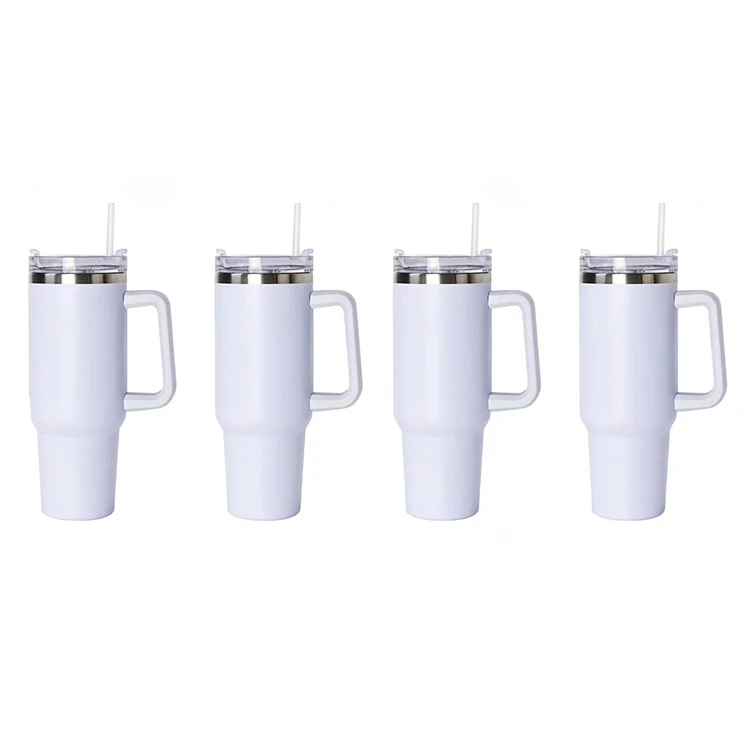
40 Oz Sublimation Tumbler with Handle Bulk
Review this catalogue configuration as a starting point. Confirm the body, lid, included parts and intended use with the chosen sample before approving artwork or bulk packing.
View Product DetailsCustom Sublimation Tumblers for Print Businesses
A sublimation blank is a production input, so its coating, body geometry and component limits must be defined as carefully as its appearance. Topnovo can review the listed tumbler configurations and order requirements with your print-business brief. Ask for the model-specific information you need, then validate the sample on the actual equipment before approving the workflow. Electronic assemblies on speaker-style products require explicit handling and removal instructions; they must not be treated like an ordinary all-metal blank in a heat process.
Compare actual listed products, then confirm the complete configuration. Entries can include variants; the sample and written specification define what is supplied.
Review this catalogue configuration as a starting point. Confirm the body, lid, included parts and intended use with the chosen sample before approving artwork or bulk packing.
View Product Details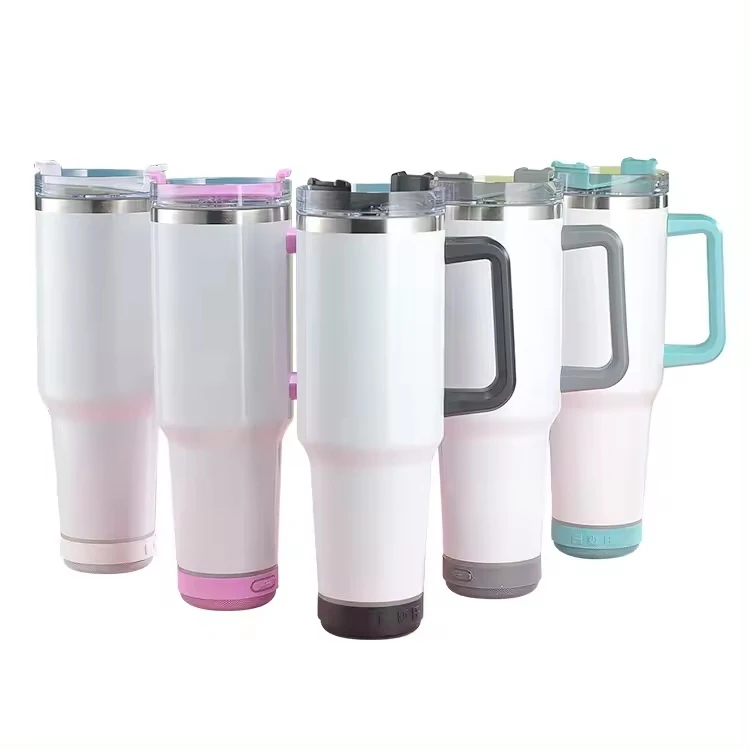
Review this catalogue configuration as a starting point. Confirm the body, lid, included parts and intended use with the chosen sample before approving artwork or bulk packing.
View Product Details
Review this catalogue configuration as a starting point. Confirm the body, lid, included parts and intended use with the chosen sample before approving artwork or bulk packing.
View Product DetailsAgree product-specific sample checks and required information. Testing scope and acceptance criteria belong to the selected configuration, rather than a range-wide claim.

Request the actual coating and intended decoration information for the chosen blank. A glossy white or stainless surface alone does not establish sublimation suitability. Keep the exact blank reference and any material or coating changes in the approved buying specification.

Measure the usable height, circumference, taper and handle clearance on a sample. Review compatibility with the proposed equipment. A shared capacity label is not evidence that two different bodies use the same artwork layout or processing setup.

Obtain model-specific instructions and validate a sample trial before scaling. We do not apply one temperature or time to every product. If electronic-part handling or processing limits are unresolved, do not approve that configuration for your workflow.

Review the blank surface, protective unit pack and separate component identification. Retain the approved sample and process reference for repeat orders. Changes to a coating, body or component should trigger a new review rather than automatic acceptance as an interchangeable blank.

Choose the format around its components and use conditions.

Review the white handled tumbler as a complete body, handle, lid and straw configuration. Measure the usable print area and any restrictions around the handle or body taper. Nominal capacity does not define a ready-to-use artwork template or press fit.

The catalogue includes speaker-style tumbler listings with different body formats. Treat these as configurations requiring additional instruction review, not as approval to process an assembled electronic product. Obtain explicit component-removal and heat-processing limits before approving this route.

State whether you require blanks for your own printing or a finished decorated product. Agree which party prepares and validates the artwork, equipment setup and process. Include the exact supplied components and packing format in the quotation and sample approval.
First identify the catalogue configuration or proposed development scope; then agree the sample, checks and final specification. Timing and responsibilities are confirmed for the individual project.


Existing-model decoration and new structural development are different scopes. Specify the changes you need so samples, responsibilities and quotation details can be agreed.
Send the exact model, required supply format and usable print-area requirements. Tell us which equipment or workflow questions need answering before approval. Body or component changes should be quoted separately from a standard blank order.
Discuss Your RequirementsAgree the sample configuration and available instructions, then assess the actual print result and component handling in your workflow. Record the approved blank and setup. Do not assume generic online settings establish a supported process for this model.
Discuss Your RequirementsSpecify quantity, destination, unit protection and carton or SKU markings. Identify any detachable components and required paperwork. Minimum quantities, available configurations and timing are confirmed for the actual order; sample approval comes before scaling.
Discuss Your RequirementsSend the selected model or product brief, quantity by colour, artwork, packaging, destination and desired arrival date. Include any component, use or documentation requirements that need resolving before sample approval.
Start with a clear product brief and a complete sample. Agree the configuration, artwork, inspection scope and packing before confirming your production order.

