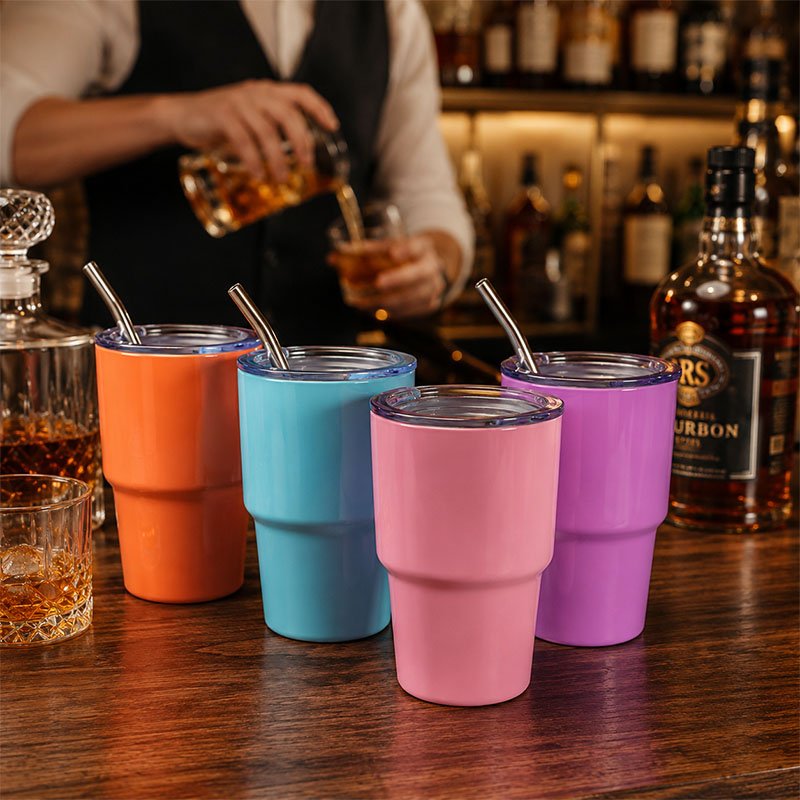
A custom drinkware project brief turns a product idea into a set of questions a manufacturer can answer. It should explain intended use, configuration, quantity and delivery needs while clearly marking decisions that remain open. A useful brief does not pretend that every detail is already settled.
Describe the intended use before listing features
State who will use the product, what they will drink and how they will carry and clean it. A desk tumbler, a bag-carried bottle and a promotional mug can require different closure and packing decisions. Explain which use conditions matter to your customer instead of collecting features from unrelated reference images.
Attach reference pictures with annotations. Identify whether each picture illustrates shape, finish, lid operation or branding. A reference image is a conversation starter, not a complete production drawing or permission to reproduce another brand’s protected design.
Create a brief that can produce comparable quotations
Specify nominal capacity, dimensional constraints, proposed materials, lid, straw, handle and accessories. Give the quantity by model and color. Describe logo artwork, placement and packing expectations. If you need alternatives, request them as separately priced options rather than mixing them into the base offer.
Separate your target delivery date from production completion and freight assumptions. Name the destination and intended sales channel. Ask the supplier to identify dependencies such as approved artwork, retained samples, new components or packaging files before confirming a schedule.
Keep unknowns visible and assign decisions
Mark each requirement as confirmed, preferred or awaiting a proposal. This prevents a preliminary suggestion from turning into an approved specification through repeated copying. Give each open decision an owner and a date for review.
When the supplier returns a proposal, record departures from the brief beside the relevant item. Review the resulting sample against the updated requirement set. Keep the original brief as history while clearly identifying the version that governs the next stage.
Buyer checklist
- Intended user, drink and carry scenario are described.
- Quantities are split by model, color and pack configuration.
- Artwork and reference images have a stated purpose.
- Open decisions, approval owners and schedule dependencies are visible.
Should I hide an uncertain specification to get a faster quote?
No. Mark it as open and ask for options. A fast quotation based on an unspoken assumption can be difficult to compare or approve later.
Discuss the requirements for your project
Review Topnovo’s related drinkware support, then send your product brief with the configuration, order quantity and evidence you need before approval.