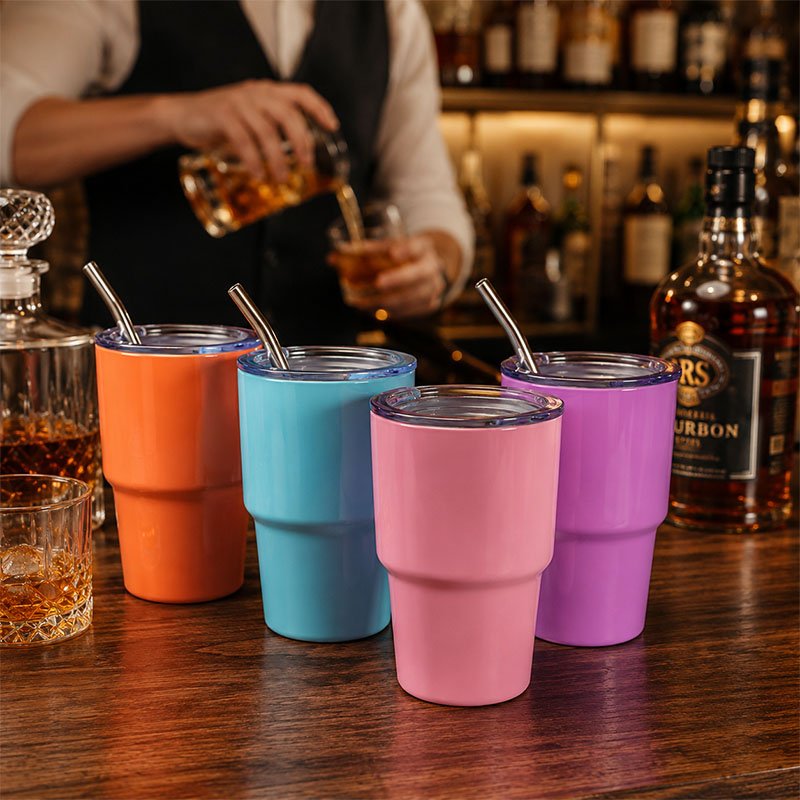
OEM vs ODM water bottles is a decision about the work your project needs, not just the label on a quotation. Describe what changes from the supplier’s existing product: logo, color, packaging, body, lid or component interfaces. Then agree who owns the design work, verification and production records.
Begin with the change, rather than the acronym
An existing bottle with approved decoration can follow a very different route from a new closure or body design. Ask the supplier to mark each requested change against the current model and describe the additional work. Suppliers may use OEM and ODM differently, so the written scope matters more than assuming a universal definition.
Divide the project into cosmetic changes, component changes and new product development. A color or logo may still require trials on the actual surface. A structural change may affect assembly, cleaning, sealing and packaging together. Treat the combined configuration as the product to approve.
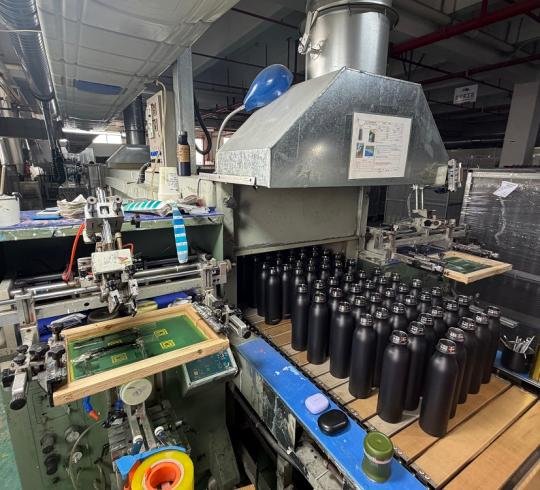
Separate commercial questions from engineering approval
Clarify development fees, sample costs, tooling charges, minimums and the items included in the quotation. Ask when each charge becomes payable and what deliverable it purchases. Tooling ownership, access and future use should be explicitly agreed rather than inferred from a line labelled mold cost.
Name the approval stages and the people authorized to approve them. Appearance approval should not automatically release untested functions. Keep the drawing revision, material list, artwork and sample identity together, particularly when several teams exchange files.
Choose the route your team can support
A ready model can help a team focus on positioning, decoration and launch preparation. New development may offer greater design control but also creates more decisions to resolve. Neither route removes the need for sample review or production checks.
Before selecting a route, list the requirements that are essential to the customer experience. Explore an existing-model option and a development option against those same requirements. Compare the full project schedule and approval workload, not only the first sample date.
Buyer checklist
- List existing features and requested changes separately.
- Identify development deliverables and quotation exclusions.
- Agree tooling arrangements and revision responsibilities.
- Set approval gates for appearance, function and production configuration.
Does a custom logo always require a new mold?
No. Confirm the proposed decoration method and existing model first. Structural changes and some specialized decoration requirements may create separate development needs.
Discuss the requirements for your project
Review Topnovo’s related drinkware support, then send your product brief with the configuration, order quantity and evidence you need before approval.